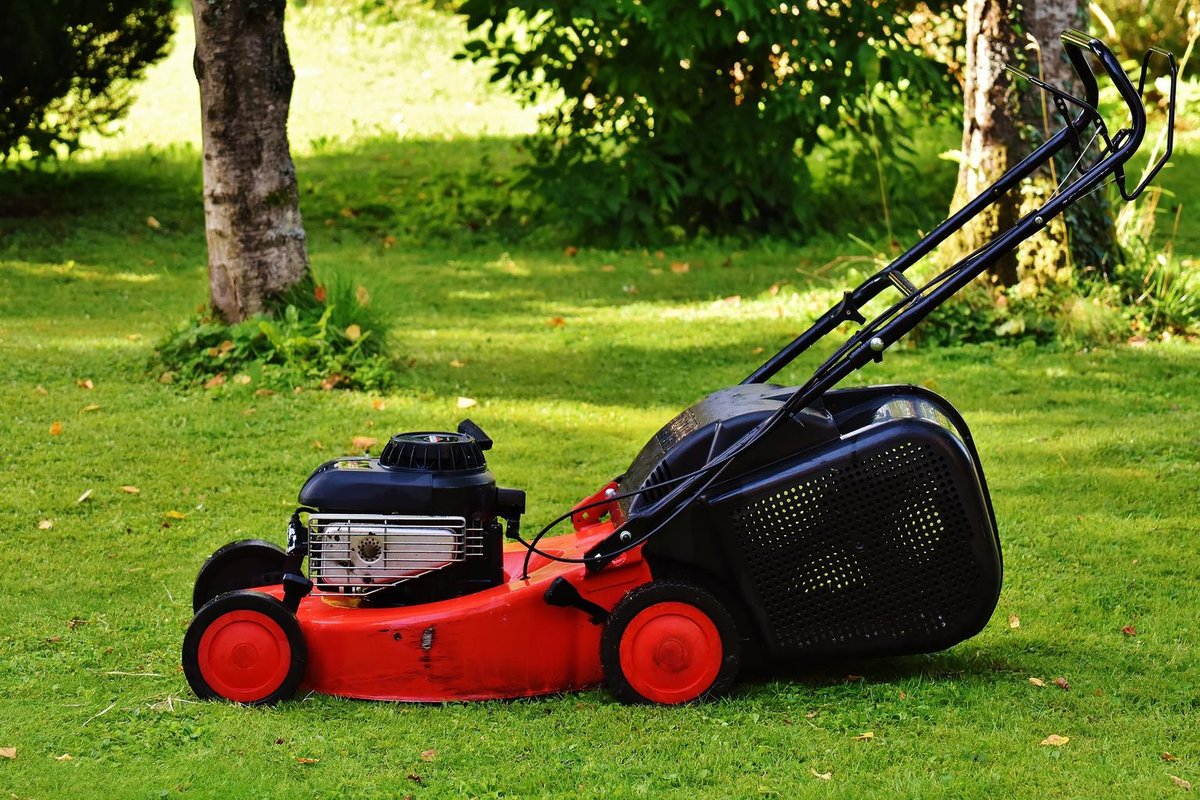
Investing in a Walker Mower isn't just buying a piece of equipment; it's a commitment to a pristine lawn, operational efficiency, and a machine built to last. To truly unlock the full potential and extend the life of such a significant purchase, savvy ownership goes beyond the initial transaction. This guide on "Maximizing Your Investment: Tips for Buying and Owning a Walker Mower" will walk you through the critical decisions that lead to the right choice and the best practices that ensure years of top-tier performance from your Walker.
At a Glance: Key Takeaways for Walker Mower Owners
- Match Mower to Property: Accurately assess your lawn's size, terrain, and obstacles before buying. Walker mowers excel on properties generally larger than one acre.
- Embrace Gas Power: While electric options exist, Walker Mowers are primarily gas-powered, offering the robust power and unlimited runtime needed for professional-grade results on expansive or challenging properties.
- Prioritize Walker's Signature Features: Look for the precise cutting width, multi-position height adjustment, and superior collection/mulching systems that define the Walker experience.
- Invest in Longevity: Expect a higher upfront cost for a Walker, but view it as an investment in durability, minimal downtime, and consistent performance over many years.
- Master Maintenance: Regular, meticulous maintenance is the cornerstone of preserving your Walker's engine health, cutting efficiency, and overall lifespan.
- Operate Smart: Understand your mower's capabilities, practice safe operation, and adapt your techniques to different conditions for optimal results and safety.
Why a Walker Mower? Understanding Your Investment
When you consider a Walker Mower, you're not just looking for a machine to cut grass. You're seeking a solution that delivers a superior cut quality, unmatched maneuverability, and robust durability that stands up to demanding use. This isn't your average lawn tractor; it's a professional-grade tool designed for those who value efficiency, precision, and longevity in their lawn care.
The investment in a Walker Mower often represents a significant step up from standard consumer-grade equipment. This higher initial cost is offset by the promise of years of reliable service, reduced maintenance headaches (when properly cared for), and a consistently beautiful lawn finish. For properties exceeding an acre or those with complex landscapes, the productivity and unique capabilities of a Walker can quickly justify its price tag, transforming a tedious chore into an efficient, even enjoyable, task.
Smart Buying: Navigating Your Walker Mower Purchase
Choosing the right Walker Mower is the first critical step in maximizing your investment. It’s about understanding your specific needs and aligning them with Walker's diverse range of capabilities.
Know Your Canvas: Matching Your Walker to Your Property
Before you even think about models, meticulously map out your lawn.
- Yard Size: Walker mowers truly shine on properties generally exceeding one acre. For smaller city lots (under 1/4 acre) or mid-sized yards (1/4 to 1/2 acre), a different solution might be more appropriate. But for those with extensive acreage (3+ acres), a Walker with a larger cutting deck (42-60 inches) can drastically reduce mowing time without sacrificing quality. Matching the mower size to your acreage isn't just about speed; it's about optimizing efficiency and maneuverability.
- Layout and Obstacles: Consider how many trees, flowerbeds, and other obstacles pepper your landscape. Walker's front-mount deck and often zero-turn steering make it exceptionally agile, allowing you to trim tightly around features that would require separate string trimming with other mowers. A narrower deck (e.g., 42 inches) might be preferable for intricate designs, while wider decks (e.g., 60 inches) are champions on open expanses.
Power & Performance: The Gas Advantage for Walker Owners
Walker Mowers are synonymous with powerful, reliable performance, almost exclusively achieved through their robust gas engines.
- Why Gas for Walker: For large properties, thick grass, or demanding conditions, gas engines offer unlimited runtime and superior power. This translates to efficient cutting of tall, wet, or tough grass without bogging down. While the general market sees a shift towards electric, for the heavy-duty, commercial-grade performance expected of a Walker, gas remains the dominant and most practical choice.
- Addressing Emissions & Noise: It's true that gas mowers require fuel, oil changes, and produce emissions (comparable to driving a car 45 miles for one hour of use), along with higher noise levels (95-105 decibels). While gas engines are facing regulation in some regions, Walker continues to innovate for efficiency. For owners, this means opting for proper maintenance to ensure optimal fuel consumption and emissions, and being mindful of local noise ordinances.
The Walker Edge: Features that Deliver
A Walker Mower isn't just powerful; it's engineered with specific features to deliver a superior cut and operator experience.
- Cutting Width & Deck Types: Walker is famous for its front-mount decks, which allow for exceptional visibility and a precision cut. You'll find a range of cutting widths, from 42 inches up to 74 inches. Wider decks cover more ground faster, ideal for sprawling lawns, while narrower decks offer pinpoint maneuverability around complex landscapes. Selecting the right width optimizes both speed and quality for your specific property.
- Cutting Height Precision: A hallmark of a healthy lawn is proper grass height. Walker mowers offer easy, precise cutting height adjustments, often with a single-lever system, typically ranging from 1 to 4 inches. This allows you to quickly adapt to seasonal needs, cutting taller in summer to protect roots and shorter in spring/fall for optimal growth. The precision of a Walker's height adjustment contributes directly to the overall health and appearance of your turf.
- Collection & Mulching Systems: Walker's Grass Handling System (GHS) is legendary for its ability to efficiently collect clippings, leaving a clean, manicured finish. Many Walker decks also offer superb mulching capabilities, chopping clippings into fine particles that return vital nutrients to your lawn. This 3-in-1 functionality (collection, mulching, side-discharge) is often a key differentiator, and mulching is considered essential for promoting a vibrant, healthy lawn.
Terrain Mastery: Built for the Real World
Your lawn isn't a billiard table, and your Walker Mower is built to handle its nuances.
- Hills and Uneven Ground: If your property includes slopes or uneven areas, Walker mowers are designed with robust traction in mind. Look for models with large rear wheels and a balanced design that provides stability and control. The mower’s weight distribution and powerful engine contribute to excellent hill-climbing capabilities.
- Rocky or Uneven Terrain: Walker's sturdy construction and all-metal decks are built to withstand challenging conditions. Some premium Walker models feature floating decks that pivot and adjust to the contours of the ground, preventing scalping and ensuring an even cut, even on bumpy terrain.
- Wheel Design: Pay attention to wheel size and construction. Larger rear wheels (8-12 inches) offer better handling on uneven terrain compared to smaller ones. Ball-bearing wheels provide smoother rolling and enhanced longevity, while rubber tires with aggressive tread on premium models ensure superior traction across varied surfaces.
Initial Cost vs. Lasting Value: The Walker Equation
A Walker Mower represents a significant financial outlay compared to consumer-grade mowers. Riding mowers, even basic ones, start around $1,200-$3,000, and a premium Walker will be considerably more.
- Higher Upfront Investment: Be prepared for a higher purchase price. This is reflective of the superior materials, precision engineering, and specialized features that define the brand. For a high-quality gas mower built for durability and robust components, the general recommendation is to invest around $1,000 or more; a Walker will easily exceed this, for good reason.
- Superior Build Quality & Longevity: The "investment" aspect truly comes into play here. Walker Mowers are known for their exceptional durability and long service life. This means less frequent replacement, fewer costly repairs over time, and a machine that holds its value better.
- Total Cost of Ownership: Don't just look at the sticker price. Factor in the long-term costs. While gas mowers require fuel and regular oil changes, a well-maintained Walker's durability often leads to a lower total cost of ownership over 5-10 years when compared to repeatedly replacing cheaper, less robust mowers. Consider Is a Walker zero turn worth it? not just for its upfront cost, but for the long-term gains in efficiency and reduced operational hassles.
Smart Owning: Sustaining Your Walker Mower's Peak Performance
Once you've made the smart decision to purchase a Walker, the next phase of maximizing your investment begins with proactive and diligent ownership.
The Lifeline: Essential Maintenance Practices
Gas-powered machines thrive on consistent care. Your Walker Mower is no exception.
- Routine Checks: Before each use, quickly inspect the oil level, air filter, and tire pressure. Check for loose bolts, damaged parts, or fluid leaks. This habit catches minor issues before they become major problems.
- Oil & Filter Changes: Follow Walker's recommended schedule for oil changes and filter replacements (air, fuel, oil). Clean engine components run more efficiently and last longer. Fresh oil lubricates vital parts, preventing premature wear.
- Spark Plugs: Replace spark plugs as recommended to ensure optimal combustion and easy starting. A fouled spark plug can lead to poor performance and increased fuel consumption.
- Blade Care: Sharp blades are crucial for a clean cut and healthy grass. Sharpen your Walker blades regularly (every 10-20 hours of use, or more if you hit debris) and ensure they are properly balanced. Dull blades tear grass, leading to a ragged, brown appearance and increased stress on the engine.
- Seasonal Prep (Winterization): If you live in a colder climate, proper winterization is non-negotiable. This typically involves stabilizing fuel, changing oil, cleaning the deck, disconnecting the battery (if applicable), and storing it in a dry, protected area.
- Cleanliness: After each mow, clear grass clippings from the deck, especially around spindles and belts. Many Walker mowers come with wash-out ports, making this task simpler. Preventing buildup helps maintain airflow, prevents rust, and ensures moving parts operate freely.
Safe Operation: Protecting Yourself and Your Investment
Operating a powerful machine like a Walker Mower demands respect and adherence to safety protocols.
- Pre-Operational Checks: Always review the owner's manual. Ensure all safety guards are in place, the parking brake is functional, and the engine kill switch works.
- Terrain Awareness: Be aware of your surroundings. Avoid sudden turns on slopes, and operate across the face of slight slopes rather than up and down them. Know your mower's limits on steep terrain.
- Personal Protective Equipment (PPE): Always wear sturdy footwear, eye protection, and hearing protection (gas mowers can be loud).
- Blade-Brake Clutch: If your Walker has a blade-brake clutch, understand its function. This feature allows the blades to stop while the engine continues to run, adding a layer of safety when emptying the bag or clearing minor obstructions.
Strategic Storage: Protecting Your Asset
Proper storage is key to preventing rust, damage, and unauthorized use.
- Measure Your Space: Walker mowers are substantial machines. Ensure you have adequate, dry, and secure storage space.
- Protection from Elements: Keep your mower covered to protect it from dust, moisture, and UV rays. A well-ventilated shed or garage is ideal.
- Security: Safeguard your investment against theft with locks or secure storage facilities.
Beyond the Basics: Advanced Tips for Walker Owners
Elevate your Walker Mower ownership experience with these expert insights.
- Optimizing Cut Quality: Don't rush. Mowing at a moderate, consistent speed allows the blades to do their best work, producing a cleaner, more even cut. Overlapping your passes by a few inches also helps ensure no blades of grass are missed.
- Fuel Management: Use fresh, high-quality fuel. Ethanol in gasoline can cause issues in small engines, especially during storage. Consider using ethanol-free fuel or a fuel stabilizer, particularly if your mower sits for extended periods.
- DIY vs. Professional Service: While routine maintenance can be done by the owner, major repairs or complex issues are best left to authorized Walker service centers. Their expertise ensures genuine parts and proper calibration. Regular professional servicing can often prevent larger, more costly breakdowns down the line.
- Understanding Your Attachments: Walker Mowers offer a range of attachments (baggers, mulching kits, snowblowers, etc.). Understand how to properly install, operate, and maintain these to maximize your mower's versatility year-round.
Environmental Responsibility with a Gas Mower
While gas mowers have a larger environmental footprint than electric, there are ways to mitigate their impact.
- Smart Fuel Choices: As mentioned, ethanol-free fuel or stabilizers can reduce emissions and improve engine longevity.
- Regular Maintenance: A well-tuned engine is a more efficient engine. Regular oil changes, air filter replacements, and spark plug checks ensure your Walker operates at peak efficiency, consuming less fuel and producing fewer emissions.
- Optimize Mowing Schedule: Mow when the grass is dry, which reduces the effort required by the engine and makes for a cleaner cut. Avoid excessive or unnecessary mowing.
Ready to Roll: Your Next Steps to Walker Ownership Success
Maximizing your Walker Mower investment isn't a one-time event; it's a continuous process of informed decision-making and dedicated care. From the moment you research models to the routine checks before each mow, every action you take contributes to the longevity, performance, and ultimate value of your machine.
Start by meticulously assessing your property and understanding the specific Walker features that will best serve your needs. Once purchased, commit to a rigorous maintenance schedule, prioritize safe operation, and continually educate yourself on best practices. Your Walker Mower is a workhorse designed for excellence; with smart ownership, it will reward you with a consistently stunning lawn and reliable service for many years to come.